Defining AI-Generated Narrative Coins
AI-generated narrative coins are tokens that derive their primary value proposition from the integration of artificial intelligence into blockchain infrastructure. Rather than relying on speculative hype alone, these assets typically power decentralized compute networks, autonomous agent economies, or on-chain data verification systems. In 2026, the narrative has shifted from pure concept to functional utility, with projects like Bittensor (TAO) and Render (RNDR) leading the charge by offering tangible GPU resources and decentralized machine learning models.
The "narrative" aspect refers to the market's focus on specific use cases—such as AI x DePIN or tokenized real-world assets (RWA)—that attract capital and developer activity. Investors and analysts track these narratives not as abstract trends, but as indicators of network growth and revenue potential. The best-performing coins in this space are those where the AI component directly reduces costs or increases efficiency for users, creating a sustainable demand loop for the underlying token.
AI-Generated Narrative Coins: Key Choices
Evaluating AI-generated narrative coins requires looking past the marketing hype to understand the underlying utility and structural risks. The sector is currently driven by the intersection of decentralized infrastructure and artificial intelligence, often categorized under AI x DePIN. To make informed decisions, you must weigh the tradeoffs between computational power, agent autonomy, and token utility.
Decentralized Compute and GPU Networks
Projects like Render (RNDR) and Akash Network (AKT) provide decentralized GPU power, which is the scarce resource fueling AI model training and inference. The tradeoff here is between hardware accessibility and network reliability. While these platforms offer cost advantages over centralized cloud providers, users must contend with variable latency and the complexity of orchestrating distributed resources.
AI Agents and Autonomous Protocols
Virtuals Protocol (VIRTUAL) and the Artificial Superintelligence Alliance (ASI FET) focus on AI agents that can interact on-chain. The benefit is the creation of autonomous economic actors, but the risk involves unpredictable behavior and smart contract vulnerabilities. Investors are betting on the long-term value of agent-driven economies, accepting short-term volatility for the potential of scalable, self-sustaining digital ecosystems.
Model Incentive Layers
Bittensor (TAO) operates as a decentralized network where miners are incentivized to produce high-quality AI model outputs. The tradeoff centers on evaluation: ensuring that the network correctly rewards useful intelligence rather than noise. This model creates a robust, open-source AI layer, but its tokenomics are complex and heavily dependent on the perceived quality of the underlying machine learning outputs.
| Project | Category | Core Utility | Primary Risk |
|---|---|---|---|
| Render (RNDR) | Compute | Decentralized GPU rendering | Hardware dependency & latency |
| Akash (AKT) | Compute | Decentralized cloud marketplace | Competition from centralized clouds |
| Virtuals (VIRTUAL) | Agents | AI agent creation & interaction | Unpredictable agent behavior |
| Bittensor (TAO) | Model Incentives | Decentralized AI model training | Complex tokenomics & evaluation |
| ASI FET | Agents | Autonomous AI agent framework | Regulatory uncertainty for agents |
Technical analysis of the broader crypto market often influences these narrative coins. Since AI tokens are highly correlated with Bitcoin’s liquidity cycles, understanding the macro technical setup is essential. A TechnicalChart for the primary asset class helps contextualize the entry points for these more volatile, narrative-driven assets.
Choose the Right Narrative Coin Infrastructure
Selecting AI-generated narrative coins requires matching the token’s utility to your specific risk tolerance and technical interest. The market has shifted from speculative hype to infrastructure that supports decentralized compute, model training, and agent execution. Use this framework to filter options based on tangible demand rather than marketing claims.
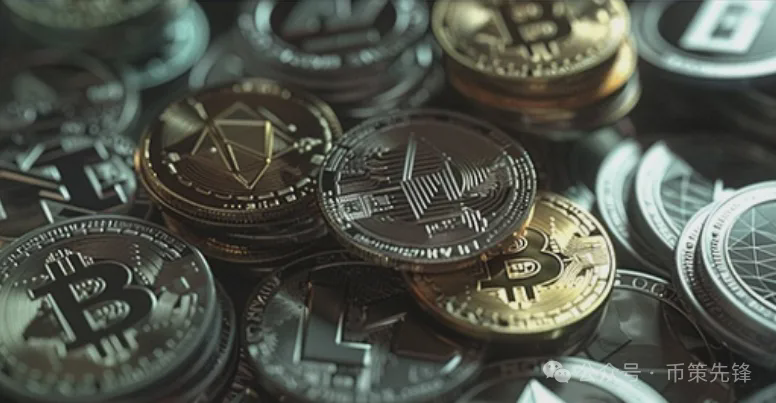
Look for projects solving specific hardware constraints. Render Network provides decentralized GPU power for rendering and AI training. Akash Network offers decentralized cloud computing. These tokens capture value from the rising demand for processing power that centralized providers cannot easily scale.

Assess protocols that enable autonomous AI agents or decentralized model training. Virtuals Protocol powers AI agent creation and interaction. Bittensor facilitates decentralized machine learning networks. These projects focus on the software layer where AI logic and incentives converge.
Verify that the token has active users and clear utility. Avoid projects with only whitepapers. Look for consistent transaction volume, active developer commits, and partnerships with established tech firms. Strong tokenomics align incentives between users and network operators.


As an Amazon Associate, we may earn from qualifying purchases.
The strongest crypto narratives in 2026 combine AI with decentralized physical infrastructure (DePIN). This intersection attracts capital and improves technology. Focus on projects that provide essential services rather than those promising generic AI features. Security remains paramount when interacting with these new tools.
Watch for Weak AI Crypto Options and Misleading Claims
The AI crypto sector in 2026 is crowded with projects that overpromise and underdeliver. Identifying the difference between genuine infrastructure and speculative hype is essential for protecting capital. Many tokens market themselves as "decentralized AI" without a clear utility or sustainable demand model.
The "AI" Label Trap
Many projects slap an "AI" prefix on their name to attract attention, but the underlying technology is often generic or non-existent. A token is not an AI protocol just because it uses the word in its title. Look for projects that provide actual compute power, data access, or agent infrastructure. If the whitepaper lacks technical depth or relies on vague buzzwords, it is likely a weak option.
Unrealistic Tokenomics and Inflation
High inflation rates can destroy token value regardless of technological merit. Many AI coins have massive total supplies with only a small fraction in circulation, leading to constant sell pressure from early investors and team allocations. Check the vesting schedules and inflation rates. If the token emits new supply faster than real network usage can absorb it, the price will likely decline over time.
Lack of Real-World Utility
Some AI tokens are designed for governance only, with no direct revenue generation or fee capture mechanism. Without a clear path to monetization, these projects rely entirely on speculative trading volume. Strong options typically have a product-market fit, such as decentralized GPU rendering or autonomous agent networks that charge fees for actual computational work.
Red Flags in Project Audits
Security audits are non-negotiable for any AI crypto project. However, a single audit does not guarantee safety. Look for projects that have undergone multiple audits by reputable firms and have a history of transparent bug bounty programs. If a project has no public audit reports or uses obscure auditing firms, treat it as a high-risk asset. Additionally, be wary of projects with anonymous teams and no verifiable track record in the AI or blockchain space.
| Feature | Strong Option | Weak Option |
|---|---|---|
| Revenue Model | Fee capture from compute/data | Governance only |
| Token Supply | Low inflation, capped supply | High inflation, unlimited supply |
| Team | Public, verifiable track record | Anonymous, no prior work |
Distinguishing AI from DePIN
While AI and Decentralized Physical Infrastructure Networks (DePIN) often overlap, they are not the same. AI tokens focus on machine learning models and agent coordination, while DePIN tokens focus on hardware networks like GPU clusters or wireless hotspots. Confusing the two can lead to investing in a DePIN project that lacks actual AI utility, or an AI project that lacks the hardware backbone to support its claims. Ensure the project clearly defines which side of the infrastructure it operates on.
Ai-generated narrative coins: common: what to check next
Investors often ask which tokens actually deliver utility versus those relying on hype. The market is shifting toward projects that solve real infrastructure problems, such as decentralized GPU rendering or autonomous agent coordination.
What are some good AI crypto coins?
The leading assets combine strong developer activity with clear use cases. Bittensor (TAO) operates a decentralized network for machine learning models. Render (RNDR) provides distributed GPU power for AI and creative rendering tasks. Artificial Superintelligence Alliance (ASI) unites major AI alliances, while Akash Network (AKT) offers decentralized cloud computing for AI workloads. These projects are frequently cited for their tangible infrastructure contributions.
Which crypto narrative is best?
No single narrative dominates, but AI x DePIN stands out for 2026. This theme merges AI demand with physical hardware, creating sustainable economic models. Other strong narratives include stablecoin payments, real-world asset (RWA) tokenization, and modular blockchain infrastructure. These sectors show improving technology and steady capital inflow.
Are AI coins safe to buy?
AI tokens are high-risk speculative assets. Many projects lack audited code or clear revenue models. Always verify the team’s background and check if the token has a working mainnet. Avoid projects that promise guaranteed returns or rely solely on marketing. Diversify across established protocols rather than betting on small-cap memes.
How does AI integrate with blockchain?
AI enhances blockchain by optimizing consensus mechanisms, detecting fraud, and managing smart contracts. Conversely, blockchain provides AI with decentralized data storage, compute resources, and transparent model training records. This synergy allows for trustless AI services, where users can rent GPU power or access AI agents without central intermediaries.
No comments yet. Be the first to share your thoughts!