
Defining the AI narrative shift
The current crypto market is experiencing a split in how "AI" is valued. On one side, you have legacy infrastructure tokens—projects building the actual compute power, data layers, or decentralized networks that AI developers use. On the other, a new wave of AI-generated narrative coins has emerged, where the token itself is often the product or the primary focus of the hype.
This distinction matters because the underlying mechanics differ significantly. Infrastructure tokens are tied to utility and adoption metrics. Narrative coins, however, are frequently driven by market sentiment and the sheer novelty of the concept. As noted in recent academic reviews, many of these newer projects create an "illusion of decentralized AI," where the tokenomics are complex but the actual technical contribution to the AI ecosystem is minimal or non-existent.
Note: The difference between infrastructure providers and narrative-driven tokens is critical. Infrastructure tokens rely on usage; narrative coins rely on attention.
Understanding this split helps explain why some AI-related assets surge on news of a new model release, while others move based on server capacity reports. The former is a narrative play; the latter is an infrastructure play. Recognizing which category a project falls into is the first step in assessing its long-term viability versus its speculative potential.
Tracking Sentiment with AI Tools
The crypto market now moves at the speed of code, and AI tools have become the primary mechanism for detecting and amplifying narratives. Platforms like Santiment use AI to scan millions of daily messages, identifying emerging trends before they hit mainstream financial news. This isn't just about counting mentions; it's about understanding the emotional weight behind the chatter. When AI detects a spike in positive sentiment for a specific narrative, it often triggers algorithmic trading bots that buy in, creating a self-reinforcing feedback loop that drives price action.
This automation creates a distinct advantage for those who understand the underlying mechanics. For instance, Crypto.com leverages AWS-powered models to deliver accurate sentiment analysis in under a second. Such speed allows traders to react to narrative shifts in real-time, rather than waiting for delayed reports. The result is a market where narratives are not just discussed—they are traded on with unprecedented velocity. Understanding these tools is essential for navigating the current landscape.
To see this in action, consider the performance of leading AI narrative tokens. These assets often correlate closely with shifts in social sentiment, as detected by on-chain and off-chain analytics. Monitoring these price movements alongside sentiment data provides a clearer picture of market dynamics than either metric alone.
Top AI narrative coins by market cap
The AI narrative has moved beyond simple hype, settling into a tier of projects with tangible infrastructure and clear utility. While the broader market chases trends, the leading AI tokens are building the actual rails for decentralized compute, data verification, and model inference. Understanding where these projects stand helps separate foundational tech from speculative noise.
We are looking at the heavyweights—projects that have established market caps and active ecosystems. These aren't just concepts; they are the primary beneficiaries of the current demand for decentralized AI resources. As noted by CoinGecko, AI tokens now power everything from portfolio management to complex path-finding algorithms, making their infrastructure critical to the sector's growth [[src-serp-1]].
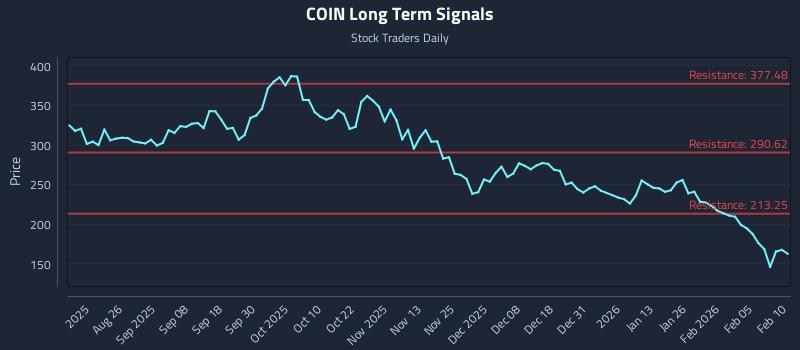
To compare these leaders effectively, we need to look at more than just price. We need to evaluate their consensus mechanisms, total value locked (TVL), and specific utility within the AI stack. The table below breaks down the top contenders by market capitalization, offering a snapshot of their current market position and technical foundation.
| Token | Project | Core Utility | Consensus | Mkt Cap Rank |
|---|---|---|---|---|
| FET | Fetch.ai | Autonomous AI agents & DeFAI | Proof of Stake | 1 |
| RNDR | Render Network | Decentralized GPU rendering | Proof of Stake | 2 |
| TAO | Bittensor | Decentralized ML subnet network | Proof of Work | 3 |
| NEAR | NEAR Protocol | General-purpose L1 with AI focus | Sharding / Proof of Stake | 4 |
| WLD | Worldcoin | Identity verification & AI access | Proof of Stake | 5 |
Fetch.ai (FET) leads the charge with its focus on autonomous agents, effectively creating a digital workforce for blockchain interactions. Render Network (RNDR) addresses the hardware bottleneck by providing decentralized GPU power, a scarce resource in the AI era. Bittensor (TAO) takes a more complex approach, incentivizing machine learning subnets to contribute to a larger, decentralized model. These projects represent the core infrastructure layer, distinguishing themselves from pure speculation by solving real computational problems.
Building a strategy for AI tokens
Building a strategy for AI tokens requires separating the hype from the actual utility. The narrative is broad, ranging from decentralized compute networks to consumer-facing AI agents. To navigate this, you need a framework that prioritizes fundamental health over social media momentum.
Start by evaluating the token’s role in the ecosystem. Is it necessary for the protocol to function, or is it merely a governance token with no clear value accrual? Look for projects with real revenue, active developers, and clear partnerships with established tech firms. Avoid coins that rely solely on meme-driven speculation, which often leads to sharp corrections once the novelty fades.
Risk management is non-negotiable in this sector. AI tokens are highly volatile and sensitive to broader tech trends. Diversify your exposure across different sub-sectors, such as infrastructure, data, and applications. Never allocate more than a small percentage of your portfolio to high-risk narrative plays.
Technical Analysis as a Secondary Filter
While fundamentals tell you what to buy, technicals can help you decide when. Use charts to identify entry points during market dips rather than chasing green candles. A major AI token like Render (RNDR) or Fetch.ai (FET) can serve as a benchmark for the sector’s health.
The chart above illustrates how volume often precedes price movement in AI-related assets. Look for accumulation phases where price consolidates while volume decreases, suggesting institutional interest before a breakout. Combine this with your fundamental research to time your entries more effectively.
Staying Grounded in Reality
The AI narrative evolves rapidly, but the best strategies remain consistent. Focus on projects with sustainable tokenomics and clear roadmaps. Avoid FOMO-driven purchases based on short-term trends or influencer shills. Instead, build a portfolio that reflects your long-term belief in the technology’s potential.
By combining rigorous fundamental analysis with disciplined technical timing, you can build a strategy for AI tokens that withstands market volatility. Remember, the goal is not to catch every pump, but to participate in the sector’s growth while managing downside risk.
Common questions about AI coins
Investors often ask which narrative currently offers the strongest upside. While AI tokens provide specific utility, broader market cycles are often driven by macro trends. According to CoinGecko, top narratives for 2026 include Meme Launchpads, Privacy/ZK, and RWA, which frequently outperform niche sectors in early cycles.
Helpful gear
Use these product recommendations as a starting point, then choose the size, material, and price point that fit how you actually use the gear.



As an Amazon Associate, we may earn from qualifying purchases.
No comments yet. Be the first to share your thoughts!