What drives the ai narrative now
The current crypto market is no longer just about speculation; it is about infrastructure. The "AI narrative" has matured from buzzwords into a tangible demand for computational resources, data integrity, and autonomous execution. To navigate this landscape, you need to distinguish between three distinct layers: compute, data, and agents.
At the base is the compute layer. Projects here provide the raw GPU power necessary for training and running large language models. Without this hardware access, the AI industry stalls. Tokens in this sector often function as a marketplace for distributed computing power, allowing users to rent out idle GPUs or access cloud-based rendering services.
Above compute sits the data layer. AI models are only as good as the data they consume. This layer focuses on providing clean, verifiable, and privacy-preserving datasets. It ensures that the information feeding these algorithms is authentic and secure, solving the "garbage in, garbage out" problem that plagues many early-stage implementations.
Finally, the agent economy represents the application layer. These are autonomous agents that execute tasks on-chain without constant human intervention. They negotiate, trade, and interact with other protocols, creating a new form of digital labor. Understanding how these three layers interact is essential for evaluating any project claiming to be "AI-powered."
Top ai infrastructure tokens to watch
The AI narrative has shifted from generative models to the underlying infrastructure required to run them. Investors are now scrutinizing projects that provide tangible utility: decentralized GPU compute, specialized data indexing, and autonomous agent frameworks. This section evaluates four leading tokens based on their technical architecture and real-world adoption rather than speculative hype.
Bittensor (TAO)
Bittensor operates as a decentralized marketplace for machine learning models. Its subnet economy allows developers to create specialized subnets for tasks like natural language processing or data indexing, with miners earning TAO for providing high-quality model outputs. This structure creates a competitive market for AI intelligence, ensuring that the most accurate models are rewarded. It is currently the largest market cap project in the AI infrastructure space.
Render (RENDER)
Render Network provides decentralized GPU compute power, bridging the gap between idle GPU owners and AI/3D rendering developers. As AI model training requires massive parallel processing, Render’s blockchain-based marketplace allows users to rent GPU capacity efficiently. This utility is critical for AI startups that cannot afford enterprise-grade cloud infrastructure, making RENDER a key player in the compute layer.
Fetch.ai (FET)
Fetch.ai focuses on autonomous agents—AI entities that can perform tasks on behalf of users, such as booking travel or optimizing supply chains. The project recently merged with Ocean Protocol and SingularityNET to form the Artificial Superintelligence (ASI) Alliance, aiming to create a unified protocol for AI agents, data, and compute. This consolidation positions FET as a central hub for agent-based economic activities.
iExec RLC
iExec RLC is a decentralized cloud computing platform that aggregates idle computing resources from around the world. It allows developers to run AI workloads securely in a trusted execution environment (TEE), ensuring data privacy. Unlike general-purpose compute networks, iExec specializes in matching specific AI workloads with compatible hardware, offering a cost-effective alternative to centralized cloud providers for smaller AI projects.
Comparison of Infrastructure Utilities
The following table compares the primary utility and technical focus of these four infrastructure tokens. Understanding these distinctions helps investors align their portfolios with specific layers of the AI stack, from raw compute to intelligent agents.
| Token | Primary Utility | Technical Focus | Market Cap Rank |
|---|---|---|---|
| TAO | Decentralized AI Marketplace | Subnet Economy & Model Training | 1 |
| RENDER | GPU Compute Network | Distributed Rendering & AI Training | 2 |
| FET | Autonomous Agents | Agent Frameworks & Data | 3 |
| iExec RLC | Cloud Computing Aggregator | TEE Security & Resource Matching | 4 |
Market trends and technical signals
The AI crypto sector is shifting from speculative narrative to infrastructure utility. Investors are no longer chasing vague promises of artificial intelligence; they are tracking concrete metrics like GPU compute availability, subnet throughput, and autonomous agent activity. This transition is visible in the broader market performance, where volume trends now correlate more closely with network usage than with social media hype.
Technical indicators suggest a consolidation phase for top-tier AI assets. The sector index has been testing key support levels, with volume declining during dips—a sign that long-term holders are not exiting positions. However, breakout signals remain elusive until we see sustained accumulation in tokens with real-world compute partnerships. The difference between a meme coin and an infrastructure play is now measurable in on-chain data.
Key Technical Indicators to Watch
- Volume Profile: Rising volume on green candles followed by low-volume pullbacks indicates institutional accumulation. Watch for spikes in trading volume for tokens like RENDER and TAO, which often lead sector moves.
- Subnet Activity: For projects built on modular architectures, monitor the number of active subnets and their transaction throughput. Increased subnet usage is a leading indicator of network health.
- GPU Compute Demand: Track the utilization rates of decentralized GPU networks. High demand for rendering and AI inference workloads directly impacts the utility value of associated tokens.
Charting the Sector Trend
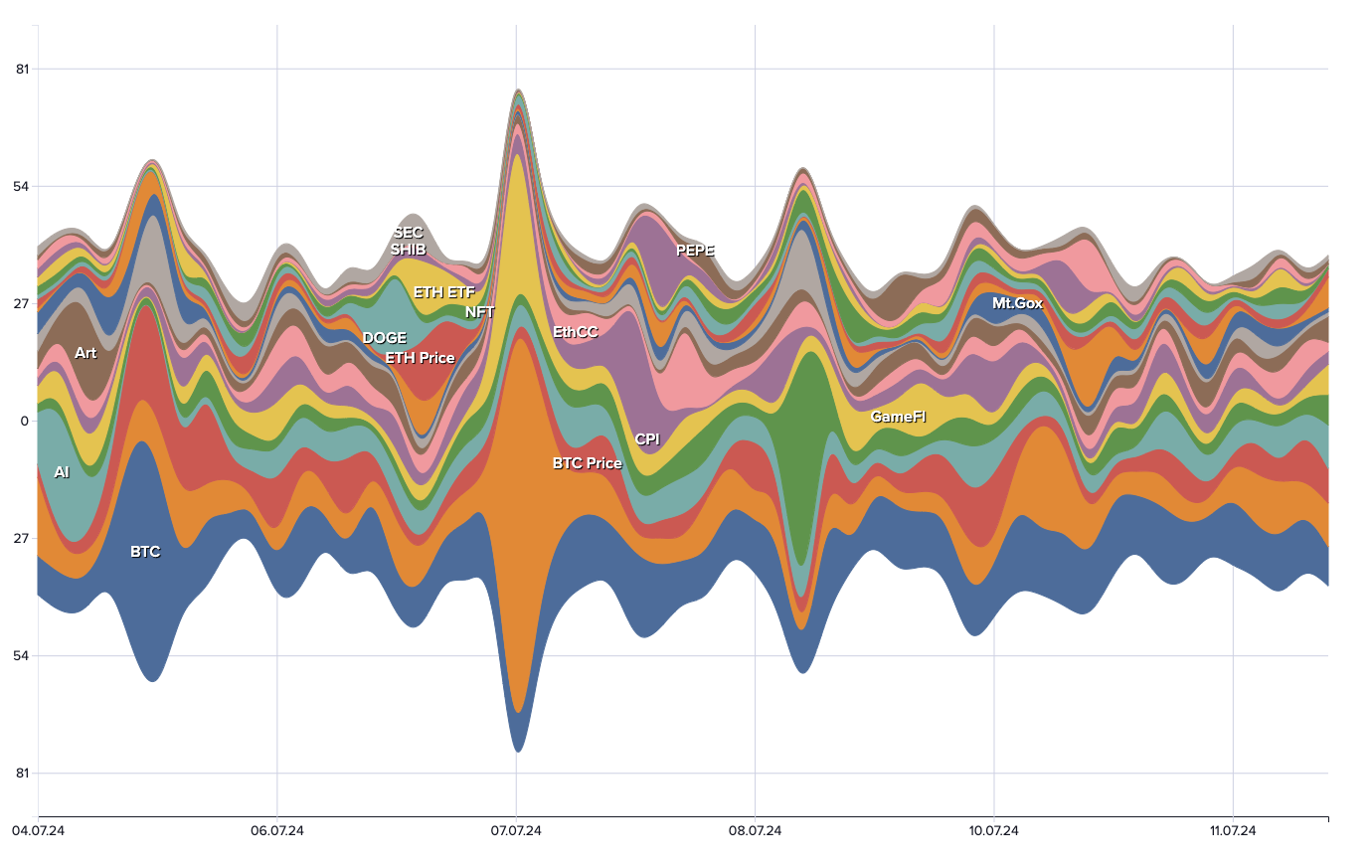
The following chart illustrates the broader trend for the AI crypto sector. It highlights the correlation between technical support levels and periods of increased network activity.
How to evaluate ai coin projects
Assessing AI crypto projects requires looking past the marketing narrative to the underlying infrastructure. Many projects claim to integrate artificial intelligence, but few actually deliver functional utility. To separate legitimate ventures from speculative hype, you need a structured workflow that examines the team, the technology, and the token economics.
Look for founders and developers with proven experience in machine learning, distributed systems, or blockchain architecture. A strong technical team is essential for building complex systems like decentralized GPU clusters or autonomous agents. If the team lacks relevant expertise, the project is likely just riding a trend rather than building real infrastructure.

Determine if the project offers tangible utility, such as access to GPU compute, decentralized storage, or privacy-preserving computation. Check if the technology is deployed on a subnet or a dedicated chain. Projects that merely tokenize AI models without providing a functional network for training or inference often fail to sustain long-term value.
Examine how the token is used within the ecosystem. Does it pay for compute resources, govern the network, or provide staking rewards? Avoid projects with excessive inflation or unclear utility. A well-designed tokenomics model aligns the incentives of developers, users, and investors, ensuring the project can sustain its operations.
| Aspect | Strong Signal | Weak Signal |
|---|---|---|
| Token | Clear utility | High inflation |
Use these criteria to filter out low-quality projects. Focus on infrastructure that solves real problems in the AI space, such as decentralized data or compute resources. This approach helps you identify projects with genuine potential rather than those relying solely on buzzwords.
Common questions about ai crypto
Investors frequently ask which AI tokens offer genuine infrastructure utility rather than speculative hype. The following questions address the most common points of confusion regarding development, market potential, and specific coin selections.
Remember that the AI crypto space evolves rapidly. Prioritize coins that solve real problems in GPU compute, autonomous agents, or decentralized data over those driven by marketing narratives.
No comments yet. Be the first to share your thoughts!