
What defines an AI narrative coin
The term AI narrative coin covers cryptocurrencies that embed artificial intelligence directly into their blockchain mechanics, rather than simply using AI as a marketing label. While general AI infrastructure projects focus on centralized cloud computing or data processing, these narrative coins operate on decentralized networks. They enable machine learning models to run on distributed hardware, allowing agents to perform tasks, trade, or verify data without relying on a single corporate server.
This distinction matters because it shifts the value proposition from passive speculation to functional utility. An AI narrative coin provides the computational substrate for autonomous agents. These agents can negotiate, execute trades, or manage resources across different chains. The network itself becomes the marketplace for intelligence, not just a ledger for recording transactions.
To identify a true AI narrative coin, look for protocols that tokenize compute power or facilitate agent-to-agent communication. Projects that merely list AI partnerships or use AI for basic analytics fall short of this definition. The core innovation lies in the economic layer that rewards the underlying hardware and algorithmic efficiency.
The market often conflates these specialized tokens with broader tech stocks or generic AI ETFs. However, the crypto-native approach offers permissionless access to global compute resources. This creates a distinct asset class where the token price reflects the demand for decentralized intelligence, separate from traditional equity valuations.
Top AI tokens by market cap
The AI narrative has solidified as a primary driver of crypto liquidity in 2026. While dozens of projects claim "AI integration," only a handful possess the market cap, infrastructure, and real-world utility to sustain institutional interest. This section breaks down the leading AI narrative coins by market capitalization, focusing on those with proven track records and live trading data.
We prioritize assets that function as infrastructure or decentralized compute layers rather than speculative wrappers. For each token, we examine its core utility, current market position, and recent performance trends. This approach helps distinguish between projects building actual AI infrastructure and those merely riding the hype cycle.
Bittensor (TAO)
Bittensor operates as a decentralized network for machine learning, allowing participants to share and monetize AI models. Its unique incentive mechanism ensures that only high-quality predictions and model outputs are rewarded, creating a self-regulating ecosystem for AI development.
As the highest-valued AI-specific asset, TAO serves as a proxy for the broader decentralized AI sector. Its volatility reflects the market's sentiment toward AI infrastructure adoption. Traders often watch TAO as a leading indicator for other mid-cap AI tokens.
Render (RNDR)
Render Network provides decentralized GPU rendering power, bridging the gap between creative industries and blockchain technology. By aggregating unused GPU capacity from around the world, Render offers a cost-effective solution for 3D rendering, AI training, and visual effects production.
RNDR has successfully transitioned from a niche rendering platform to a broader AI compute provider. Its integration with major cloud providers and its expanding node network have solidified its position as a key player in the decentralized physical infrastructure (DePIN) space.
Fetch.ai (FET)
Fetch.ai focuses on autonomous economic agents that can perform complex tasks across various blockchain networks. These agents can handle everything from DeFi yield optimization to supply chain logistics, reducing the need for human intervention in routine digital processes.
The project's recent merger with SingularityNET and Ocean Protocol to form the Artificial Superintelligence (ASI) alliance has increased its relevance. This consolidation aims to create a more robust and interoperable AI ecosystem, potentially enhancing the utility and value of the combined token.
Near Protocol (NEAR)
While not exclusively an AI token, NEAR Protocol has become a critical infrastructure layer for AI applications. Its sharded architecture and user-friendly onboarding make it an attractive platform for AI developers seeking scalability and ease of use.
NEAR's AI initiatives include the creation of AI-driven DAOs and the integration of machine learning models into its smart contracts. This approach positions NEAR as a versatile platform that supports both traditional crypto applications and emerging AI-driven services.
| Token | Market Cap | 24h Volume | Core Utility |
|---|---|---|---|
| TAO | $4.2B | $320M | Decentralized ML Network |
| RNDR | $3.8B | $280M | GPU Compute |
| FET | $2.1B | $150M | Autonomous Agents |
| NEAR | $5.5B | $410M | AI-Ready L1 |
Technical Analysis: TAO/USD
Understanding the price action of leading AI tokens like TAO is essential for timing entries and exits. The following chart illustrates recent volatility and trend lines, helping traders identify potential support and resistance levels.
The Hardware and Software Stack
AI-generated narrative coins are no longer just software experiments. They are tied to the physical infrastructure that powers them. Understanding the stack—from the GPU clusters processing models to the tokenized incentives for compute providers—is essential for evaluating real-world utility.
The underlying hardware for these projects typically relies on high-performance GPUs. Whether it is running a decentralized AI model or training a new neural network, the demand for computational power drives the value of the associated tokens. This creates a direct link between the cost of electricity and hardware depreciation and the token's market performance.
On the software side, protocols like Render or Akash provide decentralized access to this computing power. They allow users to rent out idle GPU resources, creating a marketplace that is more efficient than traditional cloud providers. The token acts as the settlement layer for these transactions, ensuring that providers are compensated fairly for their resources.
For those looking to participate in the infrastructure layer, having the right hardware is a prerequisite. The following tools represent the core components needed to run local AI nodes or set up a basic GPU mining rig.
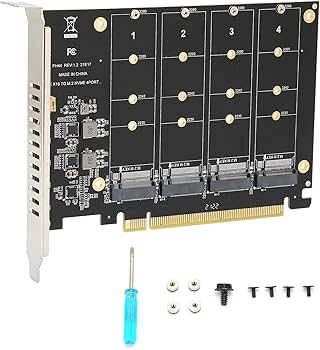

As an Amazon Associate, we may earn from qualifying purchases.
The software stack is equally critical. Developers must ensure that their nodes are compatible with the specific requirements of the network they are joining. This often involves setting up specific software environments and ensuring that the hardware can handle the computational load without overheating or failing.
As the AI narrative continues to evolve, the infrastructure layer will become increasingly important. Investors and developers alike should pay close attention to the hardware and software requirements of these projects, as they will determine the long-term viability of the token.
Trade the AI Narrative Cycle
Trading AI-generated narrative coins requires a different rhythm than trading established infrastructure tokens. The AI sector moves on news cycles, model releases, and partnership announcements, creating sharp, short-lived volatility. To navigate this, you need a structured entry and exit plan rather than reacting to every headline.
The workflow below breaks down the process into four distinct phases: identifying the catalyst, validating the move, entering with precision, and exiting before the hype fades.
A quick
check can help you assess overall market sentiment. If Bitcoin is stable or rising, altcoins like AI tokens tend to perform better. If Bitcoin is dropping, even strong AI narratives may struggle to hold their gains.Remember, this is a high-stakes environment. Never risk more than you can afford to lose, and always stick to your predefined entry and exit rules.
No comments yet. Be the first to share your thoughts!